
Press feed lines are a critical component in modern stamping and metal forming operations. Designed to deliver consistent, controlled material into presses, these systems directly impact production speed, accuracy, and overall efficiency.
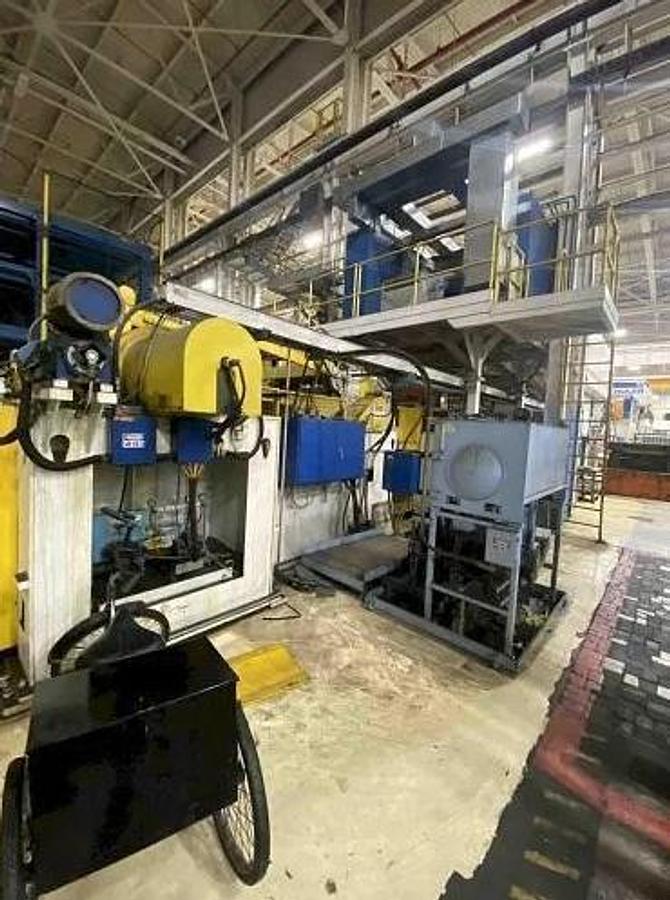
For manufacturers evaluating press feed lines, selecting the right configuration is essential to ensure proper material handling, minimize downtime, and maintain part quality.
This guide explains how press feed lines work, what components to evaluate, and how to choose the right system for your operation.
What Is a Press Feed Line?
A press feed line is a coil handling and feeding system that prepares and delivers metal strip into a stamping press.
A complete press feed line typically includes:
- Uncoiler (decoiler)
- Straightener or leveler
- Servo feeder
- Coil car (optional)
- Loop control system
These components work together to ensure smooth, consistent material flow into the press.
How Press Feed Lines Work
The process begins with a master coil and ends with precisely fed material entering a stamping press.
Step 1: Coil Loading and Uncoiling
The coil is loaded onto the uncoiler, which feeds material into the system at a controlled rate.
Step 2: Straightening
The straightener removes coil set and memory, ensuring flat, consistent material before feeding.
Step 3: Feeding
A servo feeder advances material into the press with precise control over length and timing.
Step 4: Loop Control
A loop system manages slack between components, preventing tension issues and ensuring smooth operation.
This synchronized system ensures accurate feed length and repeatable stamping results.
Key Components of a Press Feed Line
Understanding each component helps when evaluating used equipment.
Uncoiler
Supports and unwinds coil. Key considerations include:
- Coil weight capacity
- Mandrel condition
- Brake control
Straightener
Removes curvature and prepares material for forming.
Critical factors:
- Roll condition
- Adjustment range
- Material thickness capability
Servo Feeder
Controls feed length and timing into the press.
Important features:
- Feed accuracy
- Speed capability
- Control system condition
Coil Car and Handling Equipment
Coil handling equipment is used in higher capacity systems to improve efficiency and safety when loading coils.
Types of Press Feed Lines
Different production needs require different configurations.
Compact Press Feed Lines
Integrated systems combining uncoiler, straightener, and feeder in one unit.
Benefits:
- Space saving
- Reduced setup time
Conventional Feed Lines
Separate components connected in sequence.
Advantages:
- Flexibility
- Higher capacity
- Easier maintenance
Heavy Gauge Feed Lines
Designed for thick materials and high tonnage presses.
High-Speed Feed Lines
Used in high-volume stamping operations requiring fast cycle times.
Why Buy a Used Press Feed Line?
Used press feed lines offer several advantages:
- Lower capital investment
- Faster availability
- Proven industrial performance
- Upgrade potential for controls and drives
For many operations, a used system can deliver reliable performance without the cost of new equipment.
How to Evaluate a Used Press Feed Line
When reviewing used press feed lines for sale, consider:
Coil Capacity
Match system to your coil weight and width requirements.
Material Thickness Range
Ensure compatibility with your production materials.
Feed Accuracy
Critical for stamping consistency and part quality.
Control Systems
Older systems may require upgrades for modern production needs.
Mechanical Condition
Inspect:
- Roll wear
- Bearings
- Alignment
- Hydraulic systems
Common Issues With Aging Feed Lines
- Inconsistent feed length
- Coil tracking problems
- Straightener wear
- Outdated controls
- Increased downtime
Upgrading or replacing a feed line can significantly improve press efficiency.
Press Feed Lines and Production Efficiency
A properly configured press feed line improves:
- Throughput
- Part consistency
- Tool life
- Operator safety
Because these systems directly control material input, they play a major role in overall production performance.
Frequently Asked Questions
What does a press feed line do?
It feeds coil material into a stamping press with controlled speed and accuracy.
What industries use press feed lines?
Automotive, appliance, construction, and general manufacturing industries.
Can used press feed lines be upgraded?
Yes, controls, drives, and mechanical components can often be modernized.
Closing
If you are searching for a new or used press feed line for sale, selecting the right combination of uncoiler, straightener, and feeder is essential for efficient stamping operations.
Explore available equipment or contact our team to find the right system for your facility. Get A Quote from VX Machinery.