
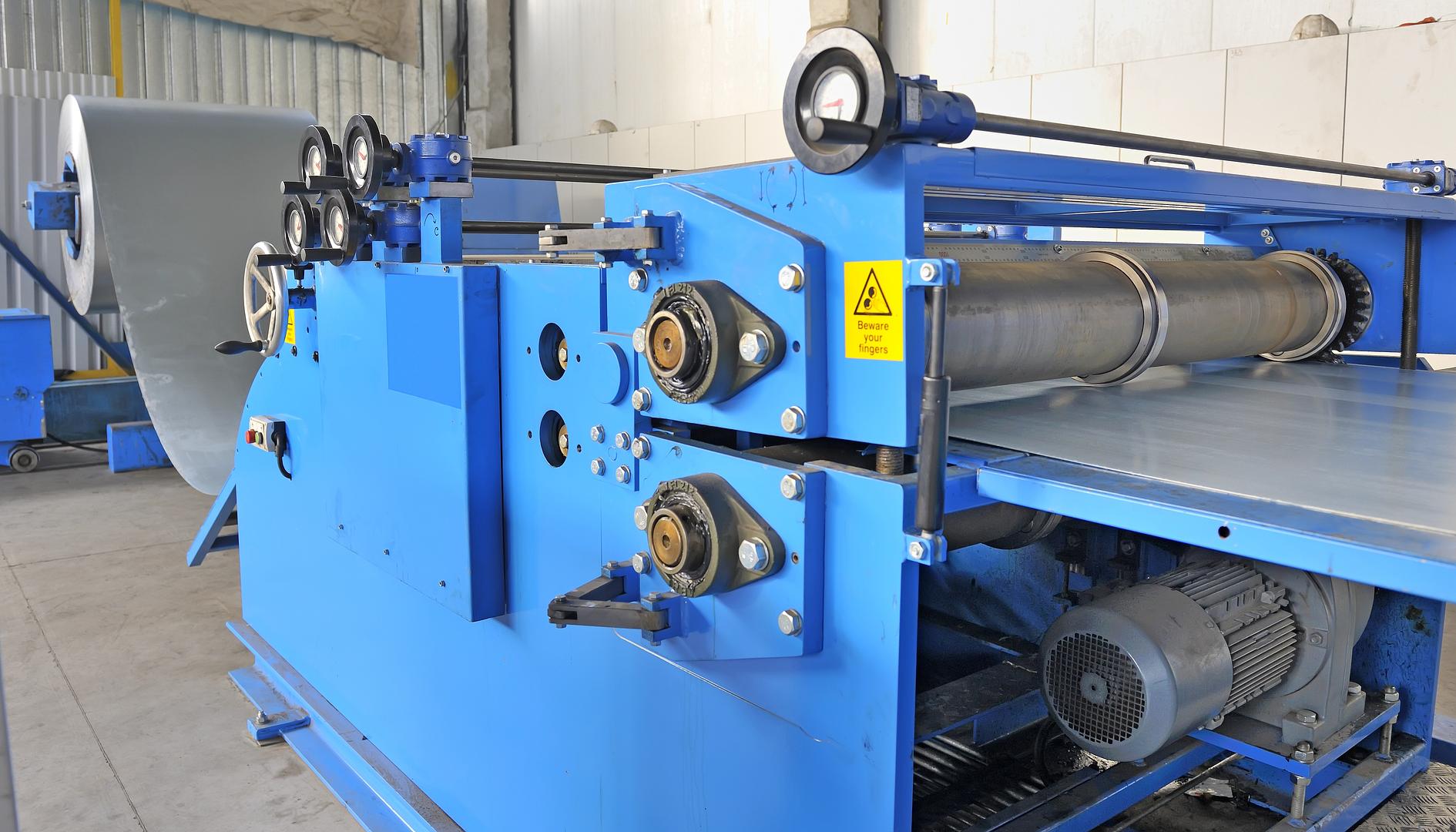
A used slitting line is one of the most important pieces of coil processing equipment in modern metal manufacturing. Proper knife setup, tension control, and recoiler torque stability are key factors that determine strip quality and consistent production performance. Whether you process steel, aluminum, stainless, or specialty alloys, a slitting line allows you to convert wide master coils into narrower, production-ready strips with precision and repeatability.
Manufacturers across HVAC, construction, automotive, appliance and industrial fabrication rely on slitting lines to improve material efficiency, reduce scrap and increase production speed.
If you are searching for a used slitting line for sale, evaluating an upgrade, or comparing slitting systems, this guide explains how slitting lines work, what components matter most, and how to choose the right system for your operation.
What Is a Slitting Line?
A slitting line is an industrial coil processing system that:
- Unwinds a master coil
- Cuts it into multiple narrower strips
- Rewinds those strips into finished coils while maintaining controlled strip tension and recoil tightness
Unlike a CTL line, which cuts coil into flat sheets, a slitting line produces narrower coils used in roll forming, stamping, and downstream fabrication.
A properly configured slitting line helps manufacturers:
· Convert wide coil into specific strip widths
· Maintain tight tolerances across multiple strands
· Minimize edge burr and scrap
· Prepare coil for efficient downstream processing
Because slitting lines operate at the beginning of many production workflows, their performance directly impacts plant efficiency and profitability.
How a Slitting Line Works - Step by Step
Understanding how a slitting line operates is critical when evaluating used equipment. A slitting system typically includes the following stages:
1. Coil Car and Uncoiler
The master coil is loaded onto a coil car and positioned onto the uncoiler mandrel. The uncoiler feeds material into the line at a controlled rate.
Key factors to evaluate:
· Coil weight capacity
· Mandrel condition
· Expansion mechanism
· Alignment accuracy
2. Entry Section
The entry section stabilizes and prepares the material for slitting.
It often includes:
· Peeler table
· Hold-down roll
· Pinch rolls
· Side guides
Proper entry alignment reduces edge damage and improves strip consistency. Stable entry feed and accurate side guide positioning help prevent camber and strip tracking issues before material reaches the slitter head.
3. Slitter Head
The slitter head is the heart of the slitting line. It contains circular knives mounted on arbors that cut the material into multiple strips simultaneously.
Important inspection points:
· Arbor condition and wear
· Tooling inventory
· Knife spacers and setup
· Maximum number of cuts
· Ease of tooling change
The condition of the slitter head directly affects edge quality and tolerance control. Proper arbor alignment, knife sharpness, and spacer setup are critical factors in achieving clean edges and consistent strip width.
4. Scrap Winder
The scrap winder collects edge trim created during slitting. Efficient scrap handling reduces downtime and improves operator safety.
5. Tension Stand
The tension stand helps regulate strip tension between slitting and recoiling, working together with recoiler torque control to stabilize strip flow. This prevents loose wraps, camber, or coil collapse.
Worn tension components can lead to:
· Strip wandering
· Edge damage
· Poor rewind quality
6. Recoiler
The recoiler rewinds each slit strip into finished coils.
Evaluate:
· Mandrel capacity
· Overarm separators
· Hydraulic systems
· Recoil tightness control
Recoiler strength must match material thickness and strip count. Higher strand counts and heavier gauge materials require increased torque capacity and stable overarm separation to maintain coil build quality.
7. Exit and Banding
Finished coils are secured using a banding line or packaging systems before removal from the line.
Key Slitting Line Components to Inspect
When evaluating a used slitting line, perform a thorough inspection of:
· Slitter arbors and bearings
· Tooling condition and availability
· Gearboxes and drive motors
· Drive configuration and speed control (mechanical drive, DC drive, or modern AC/VFD system)
· Hydraulic systems
· Electrical panels and PLC systems
· Safety guarding compliance
· Foundation and frame alignment
Modern control upgrades can dramatically improve the performance of older mechanical slitting lines, especially when retrofitting outdated PLC systems.
Types of Slitting Lines
Different operations require different slitting configurations.
Standard Slitting Lines
Designed for light to medium gauge materials and general coil processing.
Heavy Gauge Slitting Lines
Built for thicker material these systems typically include reinforced base frames, larger arbor diameters, higher horsepower drives, and heavy-duty recoilers designed for increased forming loads.
Dual Loop Slitting Lines
Provide better strip control for thin gauge and high-precision applications.
High-Speed Slitting Lines
Designed for high-volume production environments where throughput is critical.
Choosing the correct configuration depends on:
· Maximum coil width
· Coil weight capacity
· Gauge range
· Production volume
· Facility layout
Industries That Use Slitting Lines
Slitting lines are used in numerous industrial sectors.
Slitting lines produce strip for:
· Ductwork
· Flashing
· Structural supports
Construction and Roofing
Processes material for:
· Metal panels
· Framing systems
· Decking products
Automotive Supply Chain
Prepares strip for:
· Stamping
· Structural components
· Reinforcements
Appliance Manufacturing
Feeds roll forming and stamping systems for:
· Enclosures
· Structural panels
Because slitting lines feed downstream equipment, downtime at the slitting stage can halt entire production lines.
Why Buy a Used Slitting Line?
New slitting lines can involve long lead times and significant capital investment. A used slitting line can offer:
· Lower upfront cost
· Faster installation timeline
· Proven durability
· Upgrade and retrofit flexibility
· Strong ROI for growing manufacturers
In many cases, a properly maintained used slitting line can perform comparably to new equipment at a fraction of the cost.
How to Evaluate a Used Slitting Line Before Purchase
Before purchasing, evaluate:
· Maximum coil width and weight
· Gauge processing range
· Line speed capability
· Tooling included
· Electrical and control system condition
· Availability of replacement parts
· Integration with existing roll forming or CTL lines
· Floor space and foundation requirements
Working with an experienced used machinery partner reduces risk and helps ensure the system matches your production goals.
Slitting Line vs CTL Line
A common question is whether a slitting line or CTL line is the better investment.
· A CTL line cuts coil into flat sheets.
· A slitting line cuts coil into narrower coils.
Many facilities operate both systems depending on downstream production needs.
Frequently Asked Questions About Used Slitting Lines
What does a slitting line do in coil processing?
A slitting line cuts wide metal coil into multiple narrower strips and rewinds them into finished coils for downstream production.
What industries use slitting lines?
HVAC, construction, automotive, appliance, and general fabrication industries rely on slitting lines.
Why choose a used slitting line instead of new?
Used slitting lines reduce capital cost, shorten lead times, and often provide comparable performance when properly maintained.
How long do slitting lines last?
With proper maintenance and periodic upgrades, slitting lines can operate effectively for decades.
Improve Production Efficiency With the Right Slitting Line
If you are searching for a used slitting line for sale in the United States or anywhere in North America, selecting the right system can significantly improve uptime, strip quality, and overall plant efficiency.
Whether you need a heavy gauge slitting system, a dual loop configuration, or a high-speed industrial slitter, choosing the correct equipment is essential for long-term performance.
Explore available slitting lines or speak with our team to evaluate the best solution for your operation.
Get A Quote from VX Machinery.