
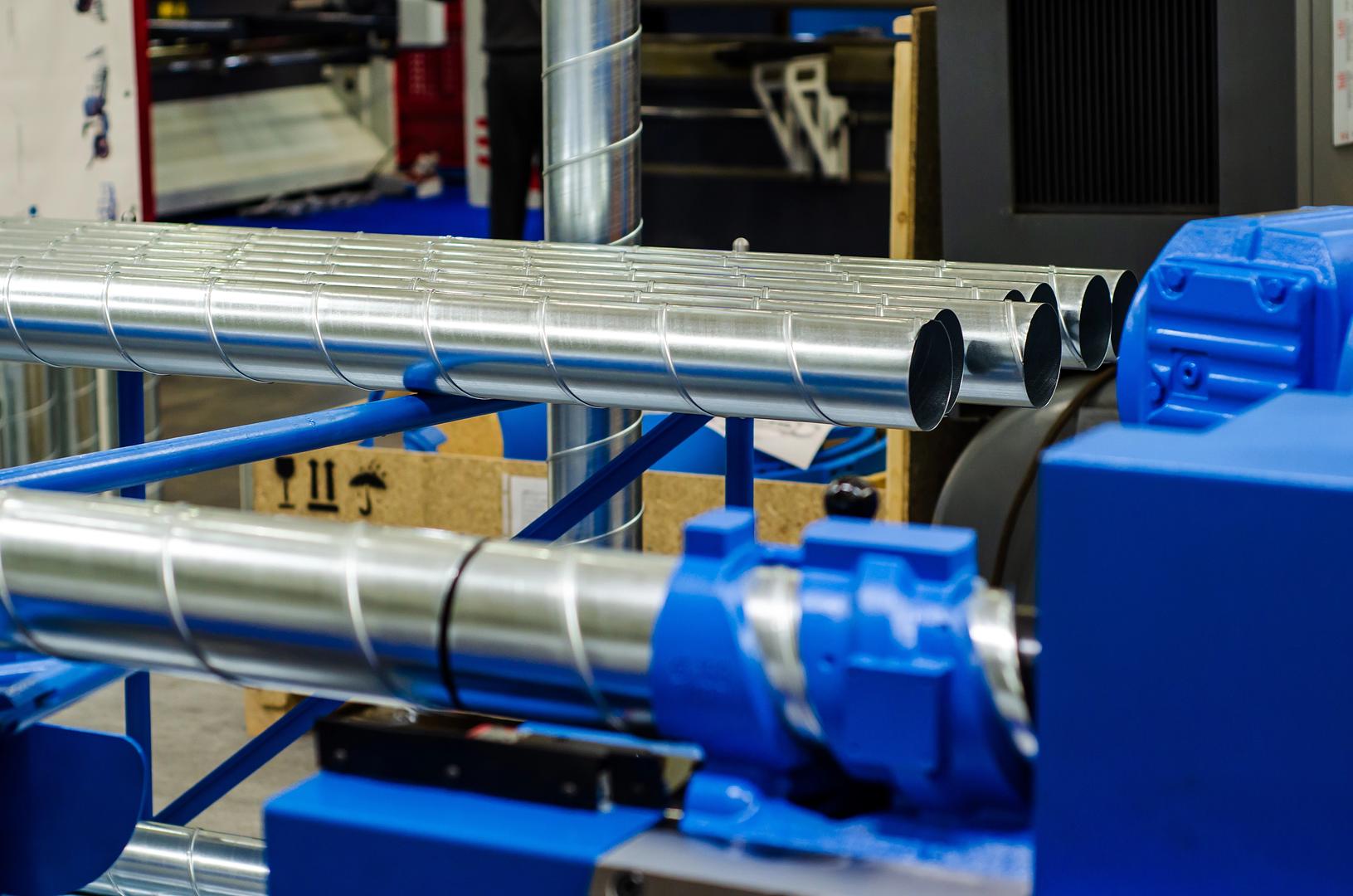
Roll forming equipment plays a critical role in modern metal manufacturing. From construction panels and framing systems to automotive components and structural profiles, roll formers allow manufacturers to produce consistent, high-volume metal shapes with efficiency and precision. Proper roll tooling design, stand alignment, and consistent material feed are key factors that determine profile accuracy and long-term machine performance.
For many operations across the United States and North America, investing in used roll forming equipment offers a strategic way to expand production capacity without the long lead times and high capital costs of new machinery.
This guide explains how roll forming equipment works, what to look for when buying a used roll former, the industries that rely on roll forming systems, and how to evaluate whether a used roll forming line is right for your operation.
What Is Roll Forming Equipment?
Roll forming equipment is a continuous bending operation in which sheet or coil-fed strip metal passes through a series of roll stations that progressively shape the material into a defined cross-section profile.
Unlike stamping or press operations, roll forming:
- Uses multiple incremental forming passes
- Maintains continuous material flow
- Allows high production speeds
- Produces consistent, repeatable profiles
A roll former typically consists of:
- Uncoiler
- Entry guides
- Multiple forming stands
- Cutoff system (pre-cut or post-cut)
- Run-out table or stacking system
- Drive system and line speed control (mechanical or servo-based depending on design)
When paired with upstream coil processing equipment such as slitting lines or CTL lines, roll forming systems create a fully integrated production workflow.
How Does a Roll Former Work?
Understanding the mechanics of a roll former is essential when evaluating used roll forming equipment.
1. Coil Loading and Entry
Material is fed from a coil or blank into the roll forming line. Entry guides ensure proper alignment before forming begins.
2. Progressive Roll Stations
Each forming stand contains a set of rollers designed to bend the metal incrementally. Instead of forcing the material into its final shape in one step, roll forming distributes the forming load across multiple stations. This staged forming approach reduces springback, improves dimensional repeatability, and extends tooling life when properly engineered.
This process:
- Reduces stress on the material
- Maintains dimensional accuracy
- Improves surface finish
3. Cutoff System
After forming, the material is cut to length using either:
- Flying cutoff (for continuous production)
- Post-cut shear
- Pre-cut system
The cutoff method affects throughput and part accuracy.
4. Discharge and Stacking
Finished profiles exit the system and are stacked, bundled, or conveyed to downstream processes.
Types of Roll Forming Equipment
Not all roll formers are the same. Used roll forming equipment varies widely depending on application and profile complexity.
Single Profile Roll Formers
Designed to produce one specific profile. Ideal for high-volume production runs with minimal changeover.
Adjustable Width Roll Formers
Allow operators to modify width settings for different product sizes without full tooling changes.
Panel Roll Forming Lines
Common in roofing and siding manufacturing. Often include pre-cut measuring systems and stacking units.
Stud and Track Roll Formers
Widely used in light gauge steel framing.
Heavy Gauge Roll Formers
Built for thicker materials and structural applications. These systems typically include heavier base frames, higher horsepower drives, and larger roll shaft diameters to handle increased forming loads.
Selecting the right used roll former depends on:
- Material type
- Gauge range
- Production volume
- Profile complexity
- Changeover requirements
Industries That Use Roll Forming Equipment
Roll forming equipment supports a wide range of manufacturing sectors.
Construction and Building Products
Roll forming systems produce:
- Roofing panels
- Siding systems
- Metal studs and track
- Structural framing
- Floor decking
Automotive Manufacturing
Roll formed components include:
- Reinforcement beams
- Structural rails
- Frame components
HVAC Manufacturing
Produces:
- Duct components
- Brackets
- Structural supports
Appliance and Industrial Equipment
Roll forming creates structural enclosures and reinforcement components.
Because roll forming is efficient and scalable, it is widely used in high-volume manufacturing environments.
Why Buy Used Roll Forming Equipment?
New roll forming lines can require significant capital investment and extended lead times. A used roll former often provides:
- Lower upfront cost
- Faster availability
- Proven operational reliability
- Opportunity for controls upgrades
- Strong return on investment
For manufacturers expanding capacity or replacing aging equipment, used roll forming equipment can deliver immediate production benefits.
Learn more on buying used vs. new equipment.
How to Evaluate Used Roll Forming Equipment
Before purchasing a used roll former, carefully assess the following factors:
1. Roll Tooling Condition
The tooling determines final profile quality. Inspect:
- Roller wear
- Surface damage
- Alignment
- Completeness of tooling sets
Tooling replacement can significantly impact total investment.
2. Stand Alignment and Frame Condition
Misalignment can cause profile distortion and premature wear.
Verify:
- Stand integrity
- Base frame condition
- Structural rigidity
3. Drive System
Evaluate:
- Motor horsepower
- Gearbox condition
- Speed range
- Electrical system
· Drive configuration (chain-driven, gearbox, or servo-driven depending on line age and design)
Older systems may benefit from updated controls or VFD upgrades.
4. Cutoff Accuracy
The cutoff system must match production speed and accuracy requirements.
Assess:
- Shear blade condition
- Hydraulic or servo performance
- Cut-to-length consistency
5. Integration with Existing Equipment
If pairing with:
- Slitting lines
- CTL lines
- Coil handling systems
Ensure compatibility in speed, width capacity, and material handling. Matching entry equipment such as uncoilers, straighteners, and loop controls is critical to maintaining consistent feed into the forming stations.
Roll Forming Equipment vs Other Forming Methods
Manufacturers often compare roll forming with:
- Press braking
- Stamping
- Extrusion
Roll forming offers advantages such as:
- High production speed
- Low per-piece cost at volume
- Continuous production
- Reduced scrap
However, it is generally less suited for low-volume, highly customized parts where press brake forming or stamping may offer greater flexibility.
Understanding production goals helps determine whether a used roll former is the best fit.
Common Questions About Used Roll Formers
What is a roll former used for in coil-fed manufacturing?
A roll former shapes sheet metal or coil into continuous profiles using multiple forming stations.
What materials can roll forming equipment process?
Steel, galvanized steel, aluminum, stainless steel, and other coil-fed metals.
How long does roll forming equipment last?
With proper maintenance, roll forming lines can operate effectively for decades.
Is used roll forming equipment reliable?
Yes. Many industrial roll formers are built for long-term durability. Proper inspection and evaluation are critical.
Signs It May Be Time to Upgrade Your Roll Former
You may need to consider replacement if:
- Changeovers are too time-consuming
- Maintenance costs are rising
- Profile tolerance is inconsistent
- Production speeds cannot meet demand
- Spare parts are difficult to source
Upgrading to a properly matched used roll forming line can increase output and reduce downtime.
Choosing the Right Used Roll Forming Equipment
When selecting used roll forming equipment, consider:
- Profile requirements
- Material thickness range
- Coil width capacity
- Desired production speed
- Available plant space
- Future scalability
Working with an experienced used machinery provider helps ensure the system aligns with both current production needs and long-term growth.
Expand Your Production With Used Roll Forming Equipment
Whether you manufacture building products, structural components, or industrial profiles, roll forming equipment is a cornerstone of efficient metal processing.
A properly selected used roll former can:
- Increase throughput
- Improve consistency
- Lower per-unit cost
- Reduce capital expenditure
- Strengthen overall production flexibility
If you are searching for used roll forming equipment for sale, evaluate systems that match your production goals and material specifications.
Explore available inventory or speak with our team to determine the right roll forming solution for your operation.
Get A Quote from VX Machinery.