
Anneal and pickle lines are critical in coil processing operations where surface quality, material cleanliness, and downstream performance are essential. These systems remove scale, oxides, and surface contaminants from metal strip while preparing it for further processing such as cold rolling, slitting, or forming.
For manufacturers evaluating new and used anneal and pickle equipment, understanding how pickling systems work and how they integrate into production lines is key to selecting the right solution.
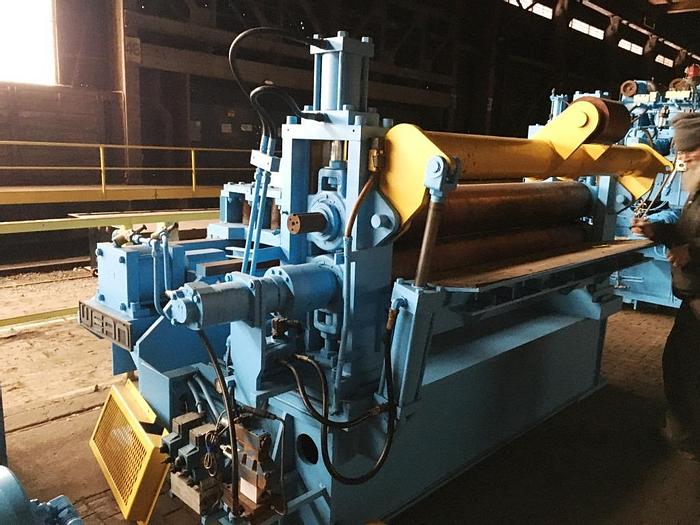
This guide explains the pickling process, system components, and what to consider when purchasing used pickle line equipment.
What Is a Pickle Line?
A pickle line is a coil processing system that removes surface impurities—such as scale, rust, and oxidation—from metal strip using chemical treatment.
The process is commonly used after hot rolling, where scale forms on the surface of steel during high-temperature processing.
Pickling prepares material for:
- Cold rolling
- Slitting lines
- Roll forming equipment
- Stamping and fabrication
Without proper pickling, surface defects can impact product quality and downstream processing performance.
H2: How the Pickling Process Works
The pickling process involves several controlled stages that remove surface contaminants while preserving base metal integrity.
Step 1: Uncoiling and Entry Section
Hot-rolled coil is unwound and fed into the pickle line using an uncoiler and entry equipment.
Step 2: Acid Bath Treatment
The strip passes through tanks containing acid solutions, typically:
- Hydrochloric acid (most common)
- Sulfuric acid (used in certain applications)
Hydrochloric acid is widely used because it removes scale efficiently while minimizing base metal loss and supporting high processing speeds.
Step 3: Rinsing
After acid treatment, the strip is rinsed to remove residual chemicals and prevent contamination.
Step 4: Drying and Oiling
The material is dried and often coated with a thin oil layer to prevent oxidation during storage or transport.
Step 5: Recoiling
The cleaned strip is rewound into coils for storage or further processing.
Annealing and Pickling - How They Work Together
In many processing lines, annealing and pickling are combined into a continuous system.
Annealing:
- Softens the material
- Relieves internal stress
- Improves ductility
Pickling:
- Removes surface scale and contamination
- Prepares the surface for further processing
Together, these processes ensure:
- Improved formability
- Better surface quality
- Consistent downstream performance
Types of Materials Processed in Pickle Lines
Pickle lines are used across a range of materials, including:
- Carbon steel
- Alloy steel
- Stainless steel
- Copper and copper alloys
- Aluminum alloys
Different materials require different acid solutions and processing conditions.
For example:
- Low alloy steels are typically processed with hydrochloric or sulfuric acid
- Stainless steels may require multi-stage pickling with nitric or hydrofluoric acids
Pickling vs Passivation
Pickling and passivation are often confused, but they serve different purposes.
Pickling
- Removes surface impurities and scale
- Uses strong acids
- Can affect the metal surface below the top layer
- Produces significant surface change
Passivation
- Enhances corrosion resistance
- Uses milder acids such as nitric or citric acid
- Does not significantly alter base metal
- Creates a thin protective oxide layer
Pickling is typically used as a primary cleaning step, while passivation is used for finishing and corrosion protection.
Key Components of Anneal and Pickle Equipment
When evaluating used anneal and pickle lines, understanding system components is essential.
Entry Section
- Uncoiler
- Coil car
- Pinch rolls
Acid Tanks
- Chemical-resistant tanks
- Circulation systems
- Heating systems
Rinse Section
- Water spray systems
- Contamination control
Drying System
- Air knives or heated drying systems
Oiling Section
- Protective coating application
Exit Section
- Recoiler
- Coil handling equipment
Each component must function properly to maintain process efficiency and product quality.
Production Speed and Efficiency
Modern pickle lines operate at high speeds, often exceeding several hundred feet per minute.
System performance depends on:
- Acid strength and temperature
- Line speed
- Strip thickness
- Tension control
Higher speeds require precise synchronization across all components.
Why Pickling Matters in Coil Processing
Pickling is essential because it:
- Removes scale that damages tooling
- Improves surface finish
- Enhances coating adhesion
- Supports downstream processing
- Reduces defects
Without proper pickling, operations such as cold rolling or slitting can experience increased wear and reduced efficiency.
How Pickle Lines Integrate With Other Equipment
Anneal and pickle systems are typically part of larger coil processing operations.
They integrate with:
- Rolling mills (before or after processing)
- Slitting lines
- CTL lines
- Roll forming systems
This integration ensures smooth material flow and consistent quality throughout production.
What to Look for When Buying Used Anneal and Pickle Equipment
When evaluating used pickle lines for sale, consider:
Chemical System Condition
- Tank integrity
- Acid handling systems
- Corrosion resistance
Mechanical Components
- Roll condition
- Drive systems
- Structural integrity
Control Systems
- Automation level
- PLC condition
- Upgrade potential
Throughput Capability
- Maximum line speed
- Material thickness range
Environmental and Safety Systems
- Fume extraction
- Waste handling
- Compliance systems
Proper evaluation ensures the system can meet both production and regulatory requirements.
Common Challenges in Pickling Operations
- Acid degradation over time
- Scale buildup in tanks
- Corrosion of system components
- Improper rinsing leading to contamination
- Inconsistent surface quality
Regular maintenance and proper system design help minimize these issues.
Frequently Asked Questions
What does a pickle line do?
A pickle line removes surface scale and contaminants from metal using acid treatment.
Why is pickling necessary after hot rolling?
Hot rolling creates scale that must be removed before further processing.
What industries use anneal and pickle equipment?
Steel processing, automotive, construction, and manufacturing industries.
Can used pickle lines be upgraded?
Yes, many systems can be retrofitted with updated controls and components.
Improving Production With the Right Pickling System
Anneal and pickle equipment plays a critical role in preparing metal for downstream processes. A properly configured system improves surface quality, reduces defects, and supports efficient production.
For manufacturers evaluating new and used anneal and pickle equipment, selecting the right system ensures long-term performance and reliable integration with existing operations.
Explore available equipment or contact our team to discuss the best solution for your facility. Get A Quote from VX Machinery.